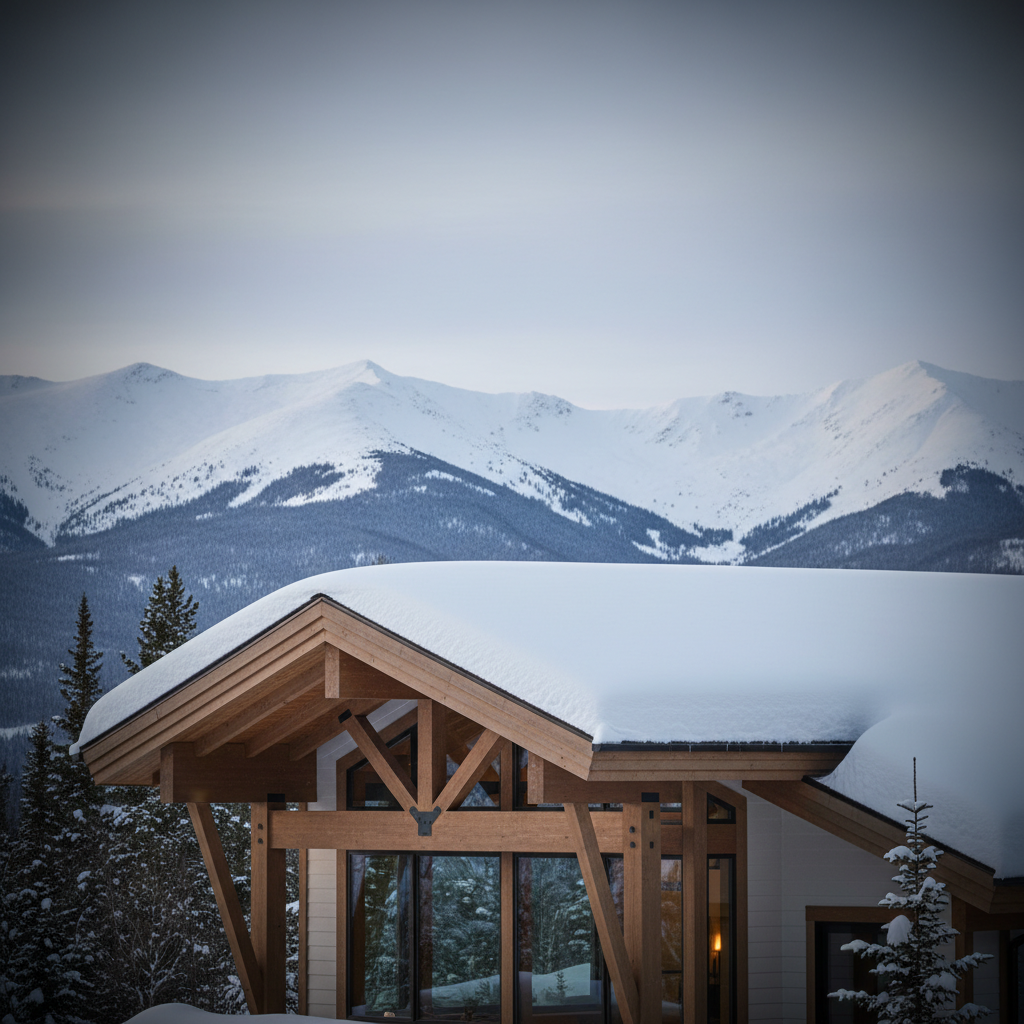
Mountain Home Engineering: Structural Design for Southwest Colorado Snow Loads
How we engineer mountain homes to stand up to decades of heavy San Juan Mountain snow — from roof systems to foundations.
High-Altitude Structural Requirements in Archuleta & La Plata Counties
Building at 7,000 feet and above in Southwest Colorado means engineering for conditions that lowland builders never encounter. The snow loads in the San Juan Mountains are among the heaviest in the state, and every structural decision — from rafter sizing to connection hardware — must account for the cumulative weight of a full winter's snowpack.
Ground Snow Load vs. Roof Snow Load
There's a critical distinction between ground snow load and the actual load your roof must carry. In Pagosa Springs, ground snow loads range from 65 psf in town to well over 100 psf at higher elevations near Wolf Creek Pass. The roof snow load is calculated by applying exposure, thermal, and importance factors to the ground load — meaning a sheltered site surrounded by trees in a valley will see significantly more snow accumulation than an exposed ridgetop. We use ASCE 7 standards combined with local Archuleta County data to determine the exact design load for your specific parcel, because getting this number wrong isn't an option when structural engineering for heavy snow is on the line.
Engineering Above 7,000 Feet
High altitude construction in Pagosa Springs presents engineering challenges beyond just snow weight. The freeze-thaw cycle at elevation is more extreme — we see 150+ cycles per year compared to 80–100 on the Front Range — which accelerates concrete deterioration if mix designs aren't adapted. Wind loads at exposed mountain sites can exceed 110 mph during winter storms, creating uplift forces that work against the downward snow load. Our structural engineers account for these combined forces, specifying connection hardware rated for simultaneous wind uplift and snow bearing. It's the kind of mountain home engineering that doesn't show in the finished product but keeps the home standing for generations.
Calculating for San Juan Snow Cycles
The San Juan Mountains receive an average of 150–300 inches of snow per season depending on elevation. But the real engineering challenge isn't total accumulation — it's the heavy, wet "Sierra cement" storms that roll through in late spring, when a single event can dump 30+ inches of dense snow on a roof that's already carrying a winter's worth of pack. We calculate structural integrity using both sustained load (the snowpack that sits all winter) and transient load (a major storm on top of existing snow). This dual-load approach is what separates proper mountain home engineering from builders who simply look up a number in a table.
Roof Pitch and Material Selection
Roof pitch is your first line of defense against snow accumulation. Steeper pitches shed snow naturally, reducing the sustained load on the structure. For most mountain modern house plans in our area, we design primary roof planes at 6:12 to 8:12 — steep enough to shed effectively while keeping the interior volume usable. Material selection matters too: standing-seam metal sheds snow faster than asphalt shingles, which grip and hold. We pair the pitch and material choice with the structural load rating so the roof can safely carry whatever stays — because in a sheltered valley near Bayfield, even a steep metal roof will hold snow through cold snaps when there's no warmth to trigger sliding.
Planning a Mountain Build in Southwest Colorado?
We engineer every home for the specific snow loads, wind exposure, and soil conditions of your site — not generic state averages.
Engineering for Durability: Foundation and Framing
Snow doesn't just load the roof — it pushes against foundation walls, presses on decks, and drives moisture into every joint and connection. The structural systems below the roofline are just as critical to a mountain home's longevity as the rafters above it. Here's how we build homes that handle decades of heavy snow in the San Juan Mountains.
Reinforced Foundation Design
In Pagosa Springs and throughout Archuleta County, foundations must handle lateral pressure from snow piling against walls — sometimes four to six feet deep on the uphill side of a mountain home. We design reinforced concrete stem walls with #5 rebar at 12-inch spacing and specify waterproof membranes rated for hydrostatic pressure from sustained snowmelt. Frost footings extend 42 to 48 inches below grade to stay below the frost line at our elevation, and we always include perimeter drain tile connected to daylight outlets downhill. The foundation is where mountain home engineering either succeeds or fails, so we don't cut corners here.
Engineered Wood vs. Traditional Lumber
Standard dimensional lumber has its place, but for high-load zones in mountain construction, engineered wood products deliver superior performance. We use laminated veneer lumber (LVLs) for headers and beams that carry concentrated roof loads — they're stronger, more dimensionally stable, and don't warp or check like solid sawn timber. I-joists span longer distances with less depth, which matters when you're trying to maintain clean ceiling lines in a mountain modern design. For primary structural beams carrying snow load requirements in Colorado, we frequently specify glulam beams or steel — sized by our structural engineer for the specific loads your site demands.
Mountain Modern Meets Structural Safety
The mountain modern aesthetic — big windows, open floor plans, exposed structural elements — creates real engineering challenges in heavy snow country. That wall of glass facing the San Juan peaks needs headers strong enough to carry the roof load above without intermediate supports. Open great rooms with cathedral ceilings mean the roof structure can't rely on interior bearing walls. We solve these challenges with steel moment frames concealed in walls, exposed glulam ridge beams that serve double duty as architectural features, and engineered truss systems that clear-span 30+ feet. The result is the clean, contemporary mountain modern house plan you want, built on mountain home engineering that handles whatever winter brings.
Thermal Bridging Prevention
At our elevation, preventing thermal bridging isn't just about energy bills — it's about preventing ice dams, condensation, and the structural damage both cause. Every steel beam, stud, and connection point in a wall or roof assembly is a pathway for heat to bypass insulation and reach the cold exterior. We interrupt these thermal bridges with continuous exterior insulation — typically 2 to 4 inches of rigid foam or mineral wool board over the sheathing — creating an unbroken thermal envelope. Inside, we use advanced framing techniques with 2x6 walls at 24-inch spacing to maximize insulation cavity depth. This high-performance envelope approach is standard practice in our Durango and Pagosa Springs builds, and it's what keeps heating costs manageable at 7,000+ feet.
Cold Roof Design for Colorado Mountain Homes
The cold roof system is the gold standard for structural engineering for heavy snow environments. Here's why we build them and how they protect your investment at altitude.
Ventilation Channel Design
A proper cold roof maintains a continuous ventilation channel — minimum 2 inches — between the insulation and the roof deck. Air enters at the soffit, flows up the underside of the decking, and exits at the ridge vent. This airflow keeps the roof surface uniformly cold, preventing the uneven melting that causes ice dams. In the Pagosa Springs area, where we see 200+ inches of annual snowfall, ice dams can cause tens of thousands in water damage. Our raised-heel truss design maintains full insulation depth right to the eaves, eliminating the thin spots where most ice dams originate.
Snow Guard Systems
On every metal-roofed mountain home we build, we install engineered snow guard systems calculated for the specific roof pitch, panel length, and snow load. Pipe-style snow guards mounted in two or three rows break up sliding snow into manageable amounts rather than letting entire roof planes shed at once. We position guards above entryways, decks, walkways, and mechanical equipment. For homes near Durango with occupied outdoor spaces, we sometimes add snow fencing at the eave line as an additional measure. These aren't cosmetic accessories — they're safety systems that prevent injury and property damage every winter.
Structural Roof Framing
Roof framing in our snow load requirements Colorado zone goes well beyond standard residential construction. Where a Front Range home might use 2x8 rafters at 24-inch spacing, we're specifying 2x12s at 16-inch or engineered trusses with reinforced webs. Ridge beams are typically glulam or steel, sized to carry the accumulated point loads from dozens of rafters bearing full snow weight. Every connection uses Simpson Strong-Tie hardware rated for the combined downward snow load and lateral wind forces. The result is a roof system engineered to carry 80, 100, or even 120 psf without deflection — the kind of structural engineering for heavy snow that lets you sleep soundly during a February blizzard.
Deck and Overhang Engineering
Decks and overhangs catch snow too, and they're often overlooked in mountain home engineering. A covered deck at 8,000 feet can accumulate the same snow load as the main roof, but it's typically supported by posts and beams rather than bearing walls. We engineer deck structures independently from the house, with their own load calculations and connection details. Cantilever overhangs — popular in mountain modern house plans — receive special attention because they act as lever arms: snow weight at the tip magnifies the force at the bearing point. Every overhang over 24 inches gets an engineering review specific to its exposure and snow load.
Continue Your Research
Mountain home engineering is one part of the custom build process. These guides cover other critical decisions for building in Southwest Colorado.
Cost to Build a Custom Home in Colorado
Full cost breakdown per square foot, including the premiums for high-altitude construction and heavy snow engineering.
Read the guide →Design-Build vs. General Contractor
Why integrated design-build matters when structural engineering must be coordinated from day one of design.
Read the guide →Building on Sloped Lots
Foundation engineering, site planning, and cost considerations for hillside construction in the San Juan Mountains.
Read the guide →Mountain Homes Built for Colorado Snow
See how we engineer and build custom homes throughout Pagosa Springs, Durango, and Southwest Colorado — designed to thrive under heavy snow loads for decades.
Our Recent Work
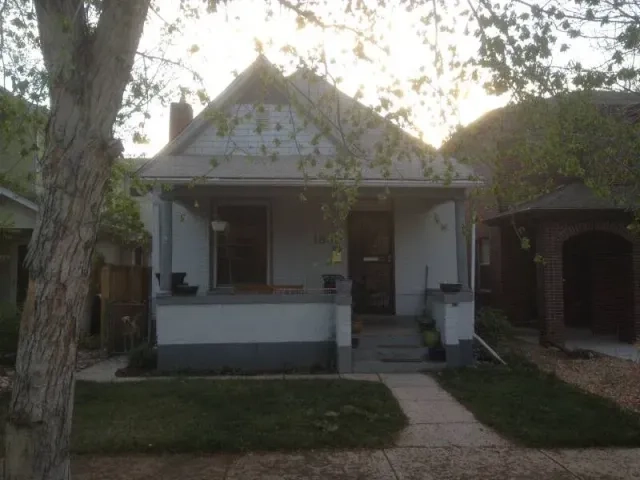
Small Residential Home Before Major Renovations
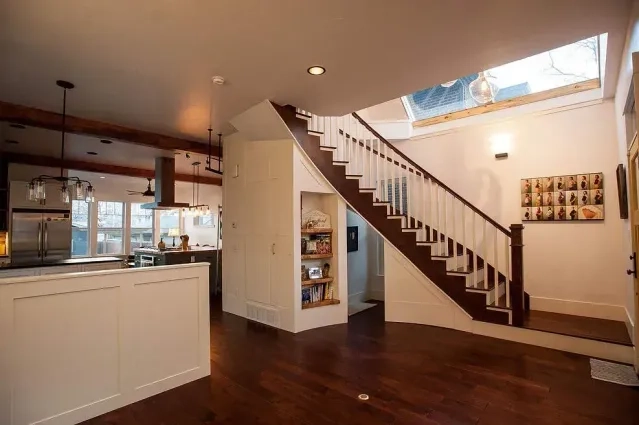
Modern Interior Design with Custom Staircase
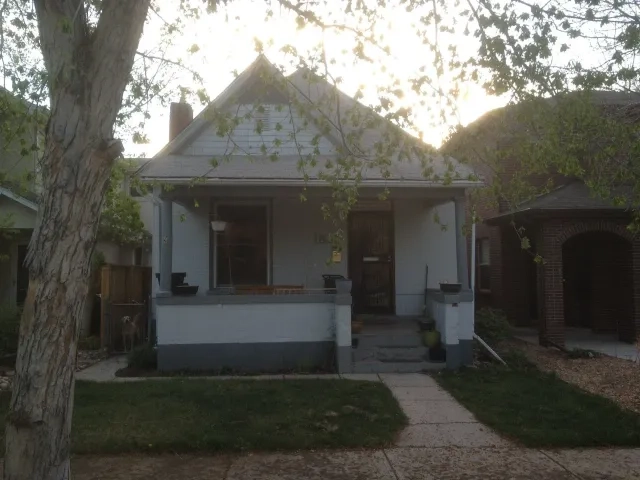
Small Residential Home Before Major Renovations
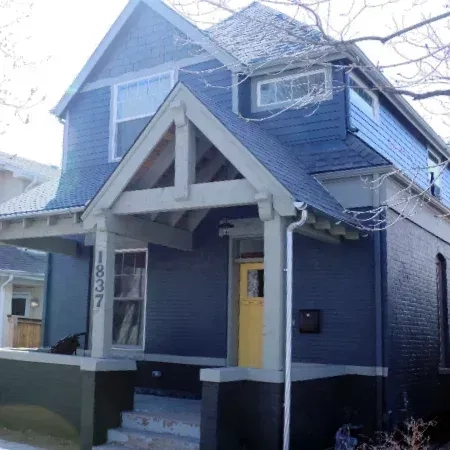
Modern Blue Exterior Home Renovation Project
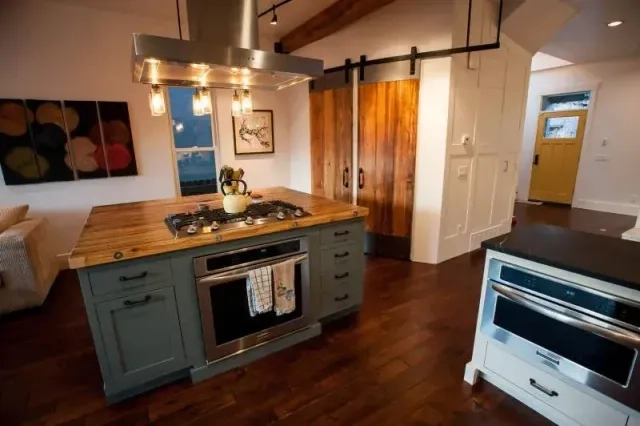
Modern Rustic Kitchen with Custom Island
Modern Rustic Kitchen with Custom Island
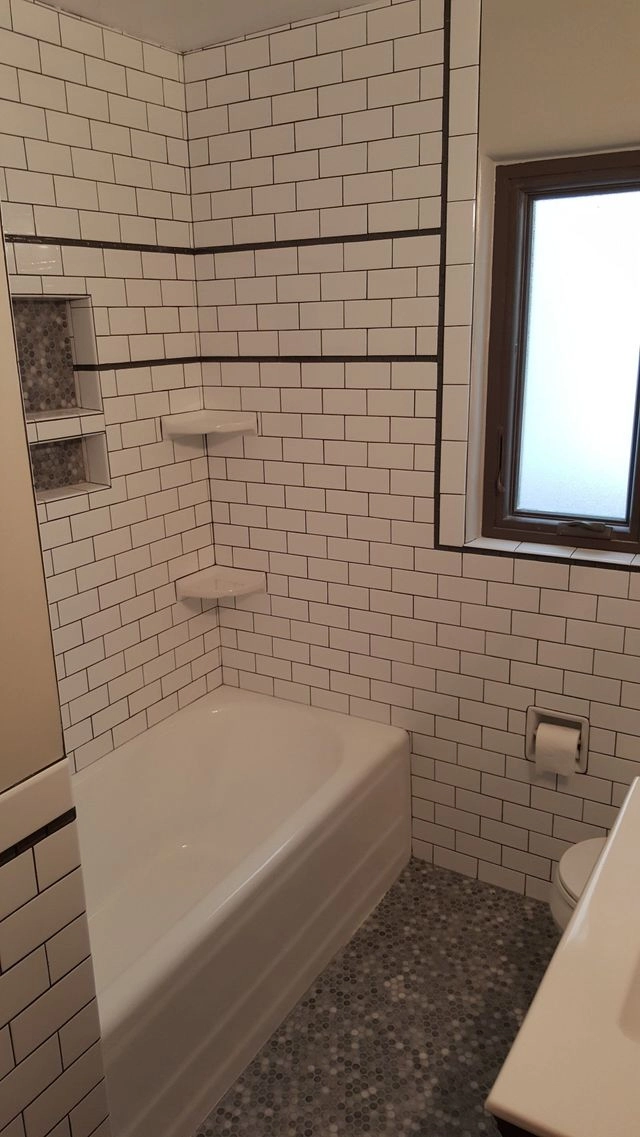
Modern Bathroom Renovation with Subway Tile
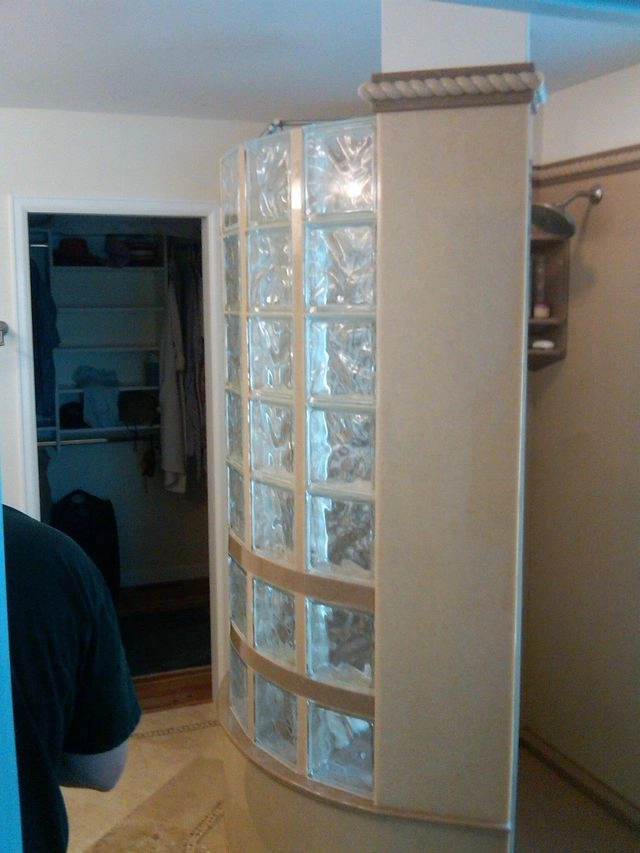
Custom Curved Glass Block Shower Wall
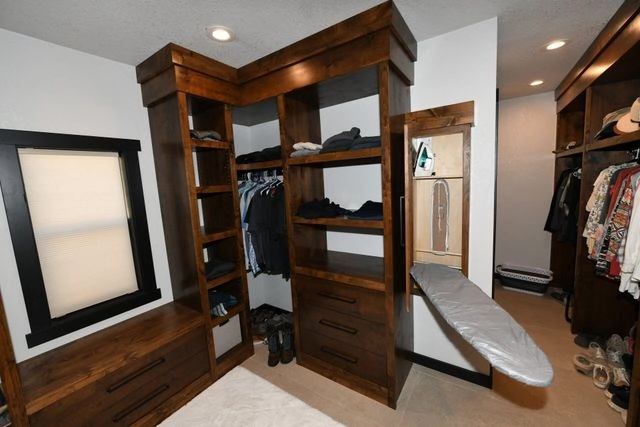
Custom Dark Wood Walk-In Closet Design
What Our Mountain Home Clients Say
Homeowners across Southwest Colorado trust our engineering expertise for builds that stand up to the toughest winters.
"Louis Garday, Sr Pagosa Springs, CO 81147 Re: Positive Design - Mark Positiviata December 23, 2025 What I immediately learned when we first started renovating my 4,000 sf log home was that above and beyond everything else, MARK IS A CRAFTSMAN AND PROFESSIONAL in the truest meaning of those words. His work for the planned 10 months was all completed in several diverse areas, on time, on budget, adding a professional flair whenever possible, such that I can easily claim that his skill and craftsman like work on every aspect of the engagement, including concrete and tile work, fine detailed carpentry, building a new 30’ by 20’ TREX deck, electrical work, safety grab bars and plumbing, repairs of metal roof, painting and drywall, landscaping, and a complete home Code evaluation and corrective action. His professional work easily yielded an increase of my home's value at double what I spent on the project. That ROI clearly will show up if/when I sell the house in 2026 or beyond. In a highly confident and in an unqualified manner I strongly recommend Positive Design and Mark to anyone needing all manner of home construction from a true professional and frankly a nice guy. Louis J Garday Sr. More Background information: Sometimes you get lucky. I was introduced to Mark at a dinner in late 2024 and the conversation turned to the details of the multi-faceted work I needed need to renovate and upgrade my 4,000 sf home on ten acres preparatory to selling it in the Spring of 2026 (my best estimate at the time for the optimum timing to sell based on the political/economic chaos brought on by Fed, the then current administration and pending tax law changes during the four years ending in January 2025). I have a lifetime and some 50 years' experience in the construction and real property development businesses, know the trades and have built or developed multiple commercial properties and was impressed with his knowledge during our dinner. The following Monday I received a call from Mark asking if he could walk my property with me and organize my thoughts on what I characterized as extensive work. What followed was a long and detailed survey he compiled of what was needed to remodel and reposition a 30-year-old valuable and custom log home and natural 10-acre landscape of some 200 Ponderosa Pine Trees, surrounded by the San Juan National Forest. Mark made extensive notes and revisited me a few days later, with a detailed proposal, cost estimates, a few new ideas to maximize what I had in place, a time and materials schedule, work timing and scheduling (what us old time real estate guys call a PERT Chart). This being a new relationship and having just met Mark, I agreed to bite off the first phase immediately and Mark began the (bring it up to Code phase) the following Monday in December 2024. Work began immediately and he moved his equipment into my carport and began working. I need not have worried about Mark and the process. He did a great job from Day through the completion. Louis J Garday Sr. Pagosa Springs, CO 81147"
Louis
2025-12-23
"Mark remolded our home when we bought it to perfection!!! He built a corner fireplace; a new kitchen with built in cabinet with glass doors and lights for displays. We have the most amazing master bath as he built a round shower stall, walkin with 5 shower heads, a seat and all done in glass bricks. The window is all glass bricks to let the light in with an open small window at the top to let steam out and fresh air in if wanted. A beautiful tile inlaid floor rhat is heated as wanted that he designed. Many people have come to look at it and he built several more!! He comes to fix anything or make something better when ever he is needed. He builds remarkable original things which he designs to fit the space and to last for ever! He is an artist and a very talented guy!!! I would not have anyone else do the kind of work Mark does!! Leslie Hawkinson"
Leslie
2025-12-12
"Mark of Positive Design Build did a total remodel on a rental property I own. The property was rented for over 13 yrs to the former tenant and it was sorely in need of repairs & overall updating. He did a fabulous job & it looked like a new home!! All new kitchen, new wiring, a lot of new plumbing, new bathroom tub surround, new vanity & lighting , all new paint, floors refinished & new door locks & some new doors for closets & exterior doors. I was very pleased with his hard work & the finished project."
Kelly
2025-12-16
"Mark did a great job!!! He brought creativity and imagination to a job , where I did not see the possibilities. His experience added great skill and forethought in to designing my mudroom and bathroom. I highly recommend Mark Posiviata for whatever you need to do...."
Bill
2025-12-28
"4.5 stars - Mark Posiviata at Positive Design Build LLC did a beautiful job designing and building my laundry/mudroom. The cabinets, bench, and countertop are absolutely stunning, and the craftsmanship is truly top-notch. The quality of work and attention to detail really show — the space is both functional and gorgeous. Design-wise, Mark was excellent to work with. He listened carefully, offered great ideas/suggestions, and delivered a final result that exceeded my expectations. I’m thrilled with how the room turned out and receive compliments on it all the time. The only area for slight improvement would be communication and coordination with contractors during the process, which could have been smoother at times. That said, the end result was well worth it. I would absolutely recommend Mark and Positive Design Build LLC for anyone looking for high-quality custom work and thoughtful design."
Jules
2025-12-05
Mountain Home Snow Load FAQs
Answers to common questions about structural engineering, snow loads, and high-altitude construction in Southwest Colorado.
How much snow load can a roof hold in Pagosa Springs?
In the Pagosa Springs area, building codes require roof structures to support ground snow loads of 65 to over 100 pounds per square foot, depending on your specific elevation and exposure. At 7,100 feet in town, the baseline is around 65 psf, but properties up toward Wolf Creek or in the higher subdivisions above Pagosa can see requirements exceeding 100 psf. We engineer every roof system to meet or exceed the site-specific load determined by a licensed structural engineer — because the San Juan Mountains don't care about minimums when a heavy cycle drops four feet in a week.
What are the mountain home foundation requirements for sloped lots?
Mountain home foundations on sloped lots in Southwest Colorado require deep footings — typically 36 to 48 inches below grade to get below the frost line at our elevation. Reinforced stem walls handle the lateral pressure from soil and snow accumulation on the uphill side. In Archuleta and La Plata counties, a geotechnical report determines the exact bearing capacity of your soil, which dictates footing width and reinforcement. For steeper grades, we use stepped foundations or drilled caissons to reach stable bearing material, and every design includes robust drainage systems to manage snowmelt runoff.
Does a metal roof help with snow load?
Metal roofing is one of the best choices for mountain home engineering in heavy snow areas because it sheds snow efficiently as temperatures rise. The smooth surface allows snow sheets to slide off rather than accumulating to dangerous depths. However, metal roofs absolutely require snow guards — metal brackets or rail systems — installed above entryways, walkways, and decks to prevent sudden 'roof avalanches' that can injure people or damage property below. We position snow guards strategically on every metal roof we install in the Pagosa Springs and Durango areas, typically in two or three rows on longer roof planes.
Why is high altitude construction more expensive?
High altitude construction in Southwest Colorado costs more for several concrete reasons. Structural members need to be larger — heavier beams, closer joist spacing, thicker rafters — to handle snow loads that lowland homes never see. Insulation requirements are significantly higher to maintain energy efficiency at 7,000+ feet where winter temperatures regularly drop below zero. The building season is compressed to roughly May through November, which means crews work faster schedules and material deliveries must be precisely timed. Add in steeper site access, higher transportation costs for materials, and the specialized labor needed for mountain home engineering, and you're looking at 15–30% over comparable Front Range construction.
Is structural engineering included in design-build services?
Yes — and this is one of the major advantages of our design-build approach. Structural engineering is fully integrated into our process from the earliest design phase, not bolted on after architectural plans are complete. Our engineering team calculates snow loads, wind loads, seismic requirements, and foundation specifications while the floor plan is still being developed. That means the structure is designed to be both beautiful and buildable from day one. The engineering stamp required for your Archuleta or La Plata County building permit is included in our scope, eliminating the coordination headaches that come with hiring a separate engineer.
What is the best roof pitch for heavy snow areas?
For mountain homes in Southwest Colorado, we typically recommend roof pitches of 6:12 or steeper — meaning the roof rises 6 inches for every 12 inches of horizontal run. Steeper pitches like 8:12 or 10:12 shed snow more aggressively, which reduces the cumulative load on the structure and minimizes ice dam risk. However, steeper roofs also mean taller walls and more material, so there's a cost trade-off. Flat or low-slope roofs (below 3:12) are occasionally used in mountain modern house plans for aesthetic reasons, but they require substantially heavier structural framing — we're talking engineered steel beams and reinforced decking designed to carry the full season's snow accumulation without shedding.
How do you prevent ice dams in Colorado mountain homes?
Ice dams form when heat escaping through the roof melts snow from below, and the meltwater refreezes at the cold eaves. The solution is a cold roof system — creating an uninterrupted ventilation channel between the insulation and the roof deck so the entire roof surface stays uniformly cold. In our mountain home builds, we achieve this with raised-heel trusses that maintain full insulation depth all the way to the eaves, continuous soffit-to-ridge ventilation, and high-performance attic insulation (R-49 minimum at our elevation). We also use ice-and-water shield membrane on the first three feet above the eave line as a secondary defense.
Do I need a site-specific engineering report?
Yes, both Archuleta and La Plata counties require site-specific structural and geotechnical engineering for new construction. This isn't just a bureaucratic requirement — it's essential for mountain home engineering because conditions vary dramatically from lot to lot. A site 200 yards away could have completely different soil bearing capacity, bedrock depth, and snow exposure. The geotechnical report tests your actual soil, and the structural engineer uses that data along with your site's specific elevation, slope, and wind exposure to calculate the exact loads your home must be designed to handle. We coordinate both reports as part of our design-build process.
Still have questions?
We're here to help you find the answers.
Ready to Build a Mountain Home That Lasts?
From structural engineering to final finishes — we design and build homes engineered for Southwest Colorado's heaviest snow loads.